“Above all”
After SYFC, I completed my education in Polytechnic & as a Singaporean male, I was called up for National Service. I applied for and got in the pilot trainee program, and so began my time in the RSAF.
I reported to the Air Force Training Command (AFTC), where I met seniors and fellow course-mates. Seeing familiar faces from my SYFC days was comforting. We all shared a common goal, and that made the experience feel a little less daunting. After about two weeks, we were sent to Australia for Air Grading.
It was still during the Covid-19 pandemic, so quarantine was mandatory for international travel. I did a week of self-isolation at home, followed by two weeks of hotel quarantine in Perth, Western Australia. Great for a homebody, absolute torture for someone who wasn’t.Thankfully, Discord and WhatsApp kept us sane, allowing us to stay in touch with family, friends, and course-mates. We used that time to study procedures, flows, the training area, and any other materials we could get our hands on.

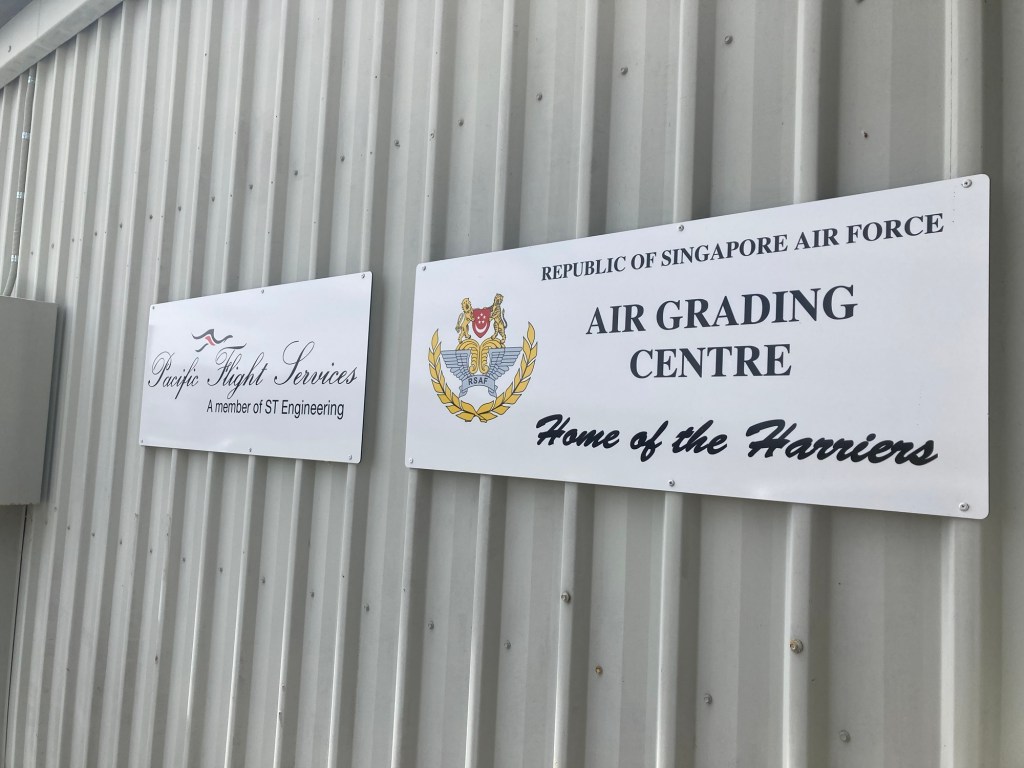
After two weeks of what felt like a strange vacation, we officially reported for the Air Grading Course (AGC). The first thing that caught my eye was the corridor walls, lined with photos of past courses—just like a scene from Top Gun. It filled me with both excitement and a deep sense of reflection. So many had walked these halls before me, and many more would follow. To be part of that legacy meant a great deal.
The Air Grading Program
AGC is divided into two phases. The first phase consists of ground school and sorties 1–6, followed by a stage check. The second phase covers sorties 8–12, culminating in a final flight test. Both the stage check and final test are pass-or-fail—fail, and you’re out.
Our first week was spent in ground school. We had intensive lectures and lesson briefs conducted by current and ex-RSAF pilots. Topics included Straight and Level, Turning, Stalling, Airmanship, and more. Outside the classroom, we were busy memorizing checklists, procedures, and cockpit flows.
First flight
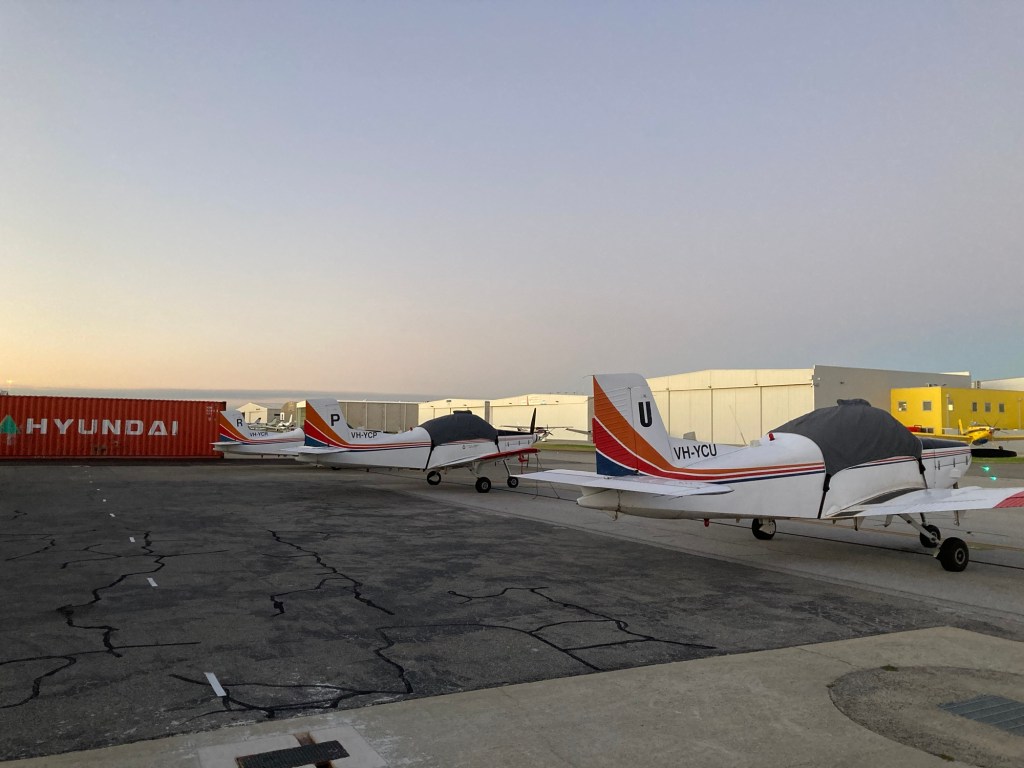
Soon, we were ready for our first flight. I grabbed my helmet bag and seat cushion, met my instructor, and headed airside. We squeezed into the cockpit of the CT4B, completed our flows, started up, checked the ATIS, and communicated with ATC. Before I knew it, I was airborne. That first flight was mostly an orientation, where the instructor showed me the boundaries of the training area and demonstrated basic maneuvers sprinkled with a few aerobatics.
Rising Standards
After that first flight, we were assessed more strictly. As we gained hours, we were expected to perform more maneuvers. Existing ones were graded with tighter tolerances, and the standards rose steadily.
By the fifth flight, the failures began. First one, then another, and another. By the seventh or eighth flight, only a handful of us remained from the original 20+ trainees. More than half the course had not made it through phase one. The reasoning was simple, though harsh: the RSAF invests over a million dollars in training each pilot. Resources go to those who prove they can handle the pressure.
Stage Check
Soon it was my turn for the stage check. It covered everything. Taxiing, radio calls, take-off, departure, climbs and descents, turns, steep turns, stalls, and simulated circuits, ending with arrival and landing.
After landing, my instructor said nothing. I walked back to the debriefing room in silence. The suspense was brutal. Had I messed something up? I did my best, was that enough?
Eventually, my instructor came in and asked, “How do you think you performed?”
“Mostly up to standard, Sir, though there are definitely areas I can improve.”
He nodded, agreed with my assessment, and pointed out my weak spots. Then I asked: “Did I pass, Sir?”
“For now,” he replied.
Relief washed over me—but I also knew I wasn’t far from failing. I had to improve fast.
The next few flights were about Circuits. Proper spacing from the runway when downwind, maintaining altitude and direction according to tolerances, when exactly to turn in each leg of the circuit etc. Approaches and landings were also refined. Then came Aerobatics where wing-overs, loops and barrel Rolls were taught. It was fun seeing the world upside down. And finally came the final flight test.
Final test
Anticipation filled my mind. “I’m so close to passing. Lets do this.” By this stage everyone else in my course had either passed or failed. I was the last one standing.
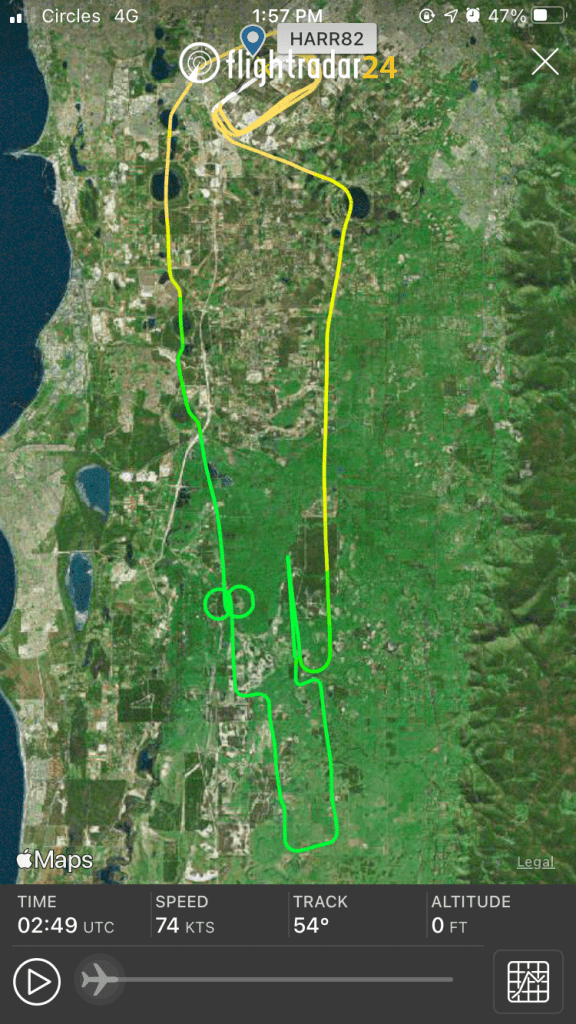
The flight started off well. Took off, departed for the training area, did turns, stalls, steep turns, wing-overs, loops, before heading back to do circuit.
Up to this point I was fairly confident. I’ve done circuits before, this should not be an issue. I just had to get 2 out of 3 circuits right. First circuit went well. Second circuit I conducted a go around as I was high on final approach. Now it all came down to the last circuit. Determined not to repeat my mistake, I locked in on flying the perfect approach. But I over focused—I tunnel visioned. My speed dropped below the minimum speed for approach, a critical error. My instructor had to take over.
I did not make the cut. I was devastated—but I understood. In aviation, there’s no room for mistakes like that.
The Lesson I Carry
That experience taught me a lesson I carry with me every day: Don’t tunnel vision. Keep the bigger picture in mind. As heartbreaking as it was, that flight remains one of the most important learning moments of my aviation journey.
Closing Thoughts
Looking back, my time in the AGC was one of the most intense and formative chapters of my aviation journey. Though I didn’t make it all the way through, the experience gave me a deep respect for the discipline, precision, and resilience required of a military pilot.
More importantly, it taught me how to confront failure—not as the end of the road, but as part of the process.
That lesson has stayed with me, not just in the cockpit, but in every aspect of life. Every setback since has been met with the same mindset: reflect, learn, and grow. Today, I still carry that standard of excellence and self-awareness that the RSAF instilled in me. And for that, I’m incredibly grateful.
 Cleared To Flight Levels