By Aloysius
-
 PathwaysRSAF F15
Pipeline:
Applying
Similar to Singapore Youth Flying Club, lots of people are interested in becoming an air force pilot. Good/ decent results in tertiary education, University, JC/Poly or equivalent, is usually a pre-requisite, bonus if you are studying something aviation related, or have done SYFC.
Passing the COMPASS test is the next hurdle. The COMPASS test is an aptitude test designed to test your dexterity, memory, multi tasking, spatial orientation and more. It is pretty long, at around 4 hours so make sure to be well rested before taking the test.
Next is the board interview. An air force officer, alongside HR & a psychologist forms your board interview. In my case, it was a colonel. They are just there to get a sense of you, your motives and make sure you aren’t some nutjob. So as long as you act normal, prepare well, the interview will go smoothly.
Next up, passing the air force medical. This is a stringent process, which includes Hypobaric chambers, blood work, eye tests etc. More people will be medically disqualified here.
Basic Military Training
Everyone who wants to serve in the Army, Navy or Air force has go through the common Basic Military Training (BMT) to indoctrinate themselves. Won’t go into much details here.
SOAR programme
SOAR programme is a simulator assessment. Not much is known about this except that it may replace Air grading Course.
Air Grading Course (AGC)
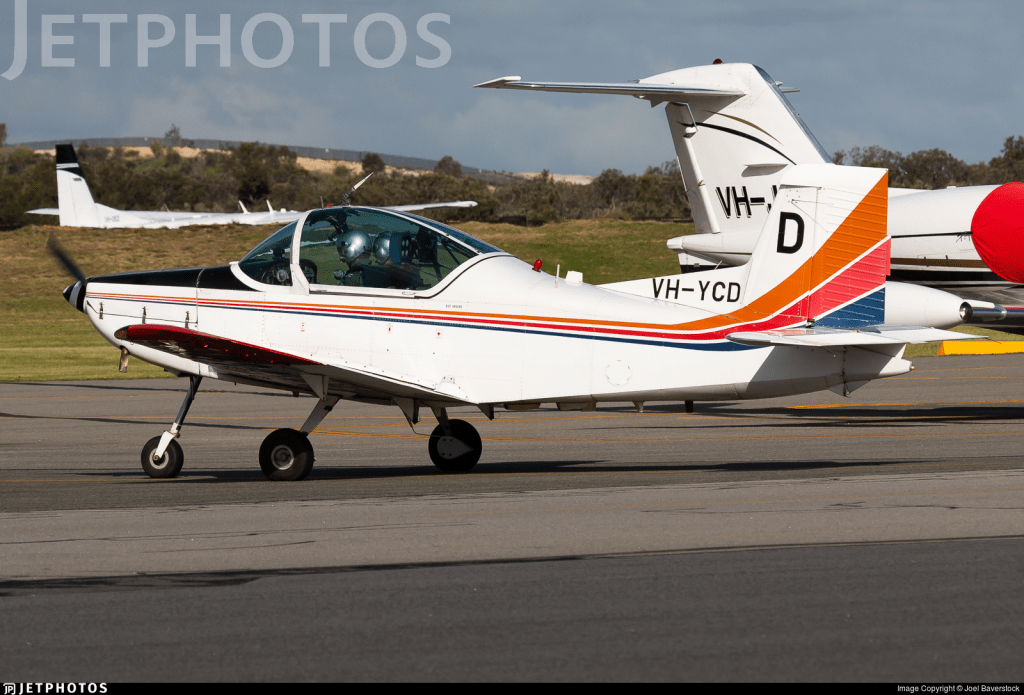
AGC is where the flying starts for candidates. Held in Jandakot airport in Perth, Australia, this course is the intro to military flying for both pilots and Weapon System Officers candidates, WSO for short. Candidates are given a week or two depending on schedule, for lectures & briefs. After this period, candidates will start flight lessons.
For pilots, phase 1 consists of straight & level, turning, climbing and descending, stalling, take offs and landing, along with radio calls. There is a General Handling Test to consolidate everything learnt. This phase is where many struggle and drop out as the learning curve is high. Phase 2 consists of circuits, a little bit of aerobatics and the Final Handling test. Passing this means you’ll move on to officer candidate school (OCS), then Basic Aviation Ground School. This course usually lasts around 1-1.5 months.
Officer Candidate School & Basic Aviation Ground School
Officer Candidate School, OCS for short, is a break from aviation related activities as you will be learning about leadership, qualities of an officer, jungle warfare, survival skills etc under the Common Leadership Module. After which is the Air Force Service Term. In total the OCS phase lasts around 3 months.
Next up will be Basic Aviation Ground School (BAGS). BAGS consists of learning aviation topics like Instruments, aerodynamics, airframes/engines, navigation, meteorology. After which trainees will go for Basic Wings Course.
Basic Wings Course

Welcome back to Australia! This time trainees will be sent to Pearce Airbase in Perth. They will fly the PC-21 and train for 9 months to a year. After which, they will be streamed accordingly to Fighters, Transport or Rotary Wing.
Advanced Wing Course
Depending on their assigned stream, trainees may undergo fighter training in France, Italy, or the United States; rotary-wing training in either the U.S. or Singapore; or transport training locally in Singapore
editor@clearedtoflightlevels.com
 Cleared To Flight Levels