Category: Pathways

  • MPL vs CPL – What is the difference?

    So, you’re thinking about becoming an airline pilot. Great!

    But right away, you’ll be faced with a big question:
    Should you go the MPL route or the traditional CPL route?

    Both are legitimate paths to the flight deck, but they’re built quite differently. In this post, we’ll break down the key differences, similarities, and pros & cons of the Multi-Crew Pilot Licence (MPL) versus the Commercial Pilot Licence (CPL)—and explain where the Airline Transport Pilot Licence (ATPL) fits in at the end of the road.

    What Is a CPL?

    The Commercial Pilot Licence (CPL) is the more traditional route to becoming a professional pilot. Under this path, you typically:

    • Train on single-pilot aircraft
    • Log a minimum of 200 hours of total flight time (in Singapore).
    • Earn various ratings (instrument, multi-engine, etc.).

    This pathway offers flexibility—you’re trained to fly both solo and as part of a crew. It’s the standard licence issued to most pilot trainees outside of airline-sponsored cadet programmes.

    With this licence, you can fly PIC for non-airline commercial operations I.E. Flight Instructing, Charter flights etc.

    What Is an MPL?

    The MPL Route: Singapore Airlines & Scoot Cadetships

    Both Singapore Airlines and Scoot offer cadet programmes that lead to the Multi-Crew Pilot Licence (MPL).

    Here’s what that looks like:

    • You apply as a cadet directly with the airline. If successful, the airline sponsors your training
    • You complete about 85–90 hours of actual flying, gaining a PPL with Instrument Rating and more than 240 hours in simulators, tailored specifically to airline operations and SOPs.
    • You graduate with an MPL restricted to that airline—you can’t use it to fly commercially for another operator.

    Once you join the airline officially, you begin as a Second Officer on the specific fleet you’re trained on.

    Comparison between MPL vs CPL

    MPLCPL
    Flight Hours~90 actual flight hours + ~ 240+ sim hours200+ total flight hours
    Solo FlyingNo commercial solo privilegesCan fly solo commercially (non-airline)
    Training StyleAirline-specific, multi-crew from day 1Traditional, solo-first then multi-crew
    FlexibilityLocked to sponsoring airlineCan apply to multiple airlines
    Licence ValidityOnly valid with airline that sponsored it
    Valid across any commercial operator
    Time to AirlineShorter, ~18–22 monthsDepending on job market

    MPL

    Advantages

    • Faster route into the right seat of a jet.
    • Trains you for Multi Crew operations from the start
    • Less flying cost since many hours are in sim.

    Disadvantages

    • Tied to the airline that sponsors your training—if the airline withdraws its offer, your licence is practically useless elsewhere.
    • No commercial PIC privileges until you convert to a ATPL later
    • Less real-world flight experience than a CPL holder.

    CPL

    Advantages

    • Greater flexibility—you can apply to multiple airlines or fly in various sectors (charter, surveying, instruction).
    • More flying experience—often more varied and hands-on.

    Disadvantages

    • Longer time to airline job unless you’re selected by an airline post-training.
    • Higher overall cost if self-funded.
    • More personal responsibility for managing ratings and exams.

    What About ATPL?

    The Airline Transport Pilot Licence (ATPL) is the highest licence you can hold. It allows you to act as a Captain on multi-crew aircraft.

    In Singapore, CPL and MPL holders typically operate under an ATPL (frozen)—which means they’ve passed the 14 theoretical exams, but haven’t yet met the 1500 hours flying experience required to “unfreeze” it.


    Final Thoughts

    If you’re accepted into an MPL cadetship with a major airline, it’s a highly efficient and job-secure route—as long as the airline stays committed.

    If you’re funding your own training, or want more flexibility in your career path, the CPL route makes more sense, though it may take longer to land your first airline job.

    Each path has its trade-offs. What matters most is choosing the one that aligns with your goals, finances, and appetite for risk.


  • The Airline Pilot’s Journey: The Good, Bad & the Reality

    Have you ever seen a pilot walk through the terminal, wearing his uniform and cap, looking all so crisp and wonder to yourself : I wish I could be one?

    Many people see the glitz and glamour of being a pilot. They romanticize the image, the lifestyle, and the paycheck. But not many understand what it truly takes to get there and more importantly, to stay there. In this post, I’ll talk about the reality behind the uniform.

    The zero to airline pilot journey

    In Singapore, the typical path to becoming an airline pilot usually begins with a cadetship programme. As of May 2025, there are three commercial airlines based in Singapore: Singapore Airlines, Scoot, and Jetstar Asia. Currently, only Singapore Airlines and Scoot offer cadet programmes. Jetstar Asia has yet to reopen theirs after COVID.

    Competition for a place as a Cadet in Singapore Airlines or Scoot is fierce. Thousands apply each year, hundreds get through to the online assessment, interview and medical, and only a handful are selected.

    Academic & flying skills

    Successful cadets begin with ground school, where they study the 14 Airline Transport Pilot Licence (ATPL) subjects. These include Aerodynamics, Airframe & Systems, Meteorology, Air Law, and more. The syllabus is intense and time-pressured. Those who struggle to keep up are dropped from the course.

    Ground school looks something like this

    Next comes the flight training phase, usually conducted in Australia. Cadets learn not only general flying skills, but also Standard Operating Procedures (SOPs) specific to their airline. Every flight is graded, and performance matters. At the end of training, cadets are streamed and type-rated according to company needs. Once again, those who don’t meet standards are dropped and are required to repay the cost of their training.

    Once type-rated, cadets begin their journey as a commercial airline pilot. Depending on their assigned fleet, their lifestyle can vary significantly.

    Work-Life and Free Time

    Short-haul pilots fly more sectors each month, often flying turnaround routes (same-day returns). Long-haul pilots fly fewer flights, but for much longer durations. They see more of the world but are away from home more often.

    However, just because a pilot isn’t in the cockpit doesn’t mean they’re off-duty. A lot of “free time” is spent on studying, self-briefing, and staying current with SOPs and procedures. Pilots may also be called in on standby or rest days.

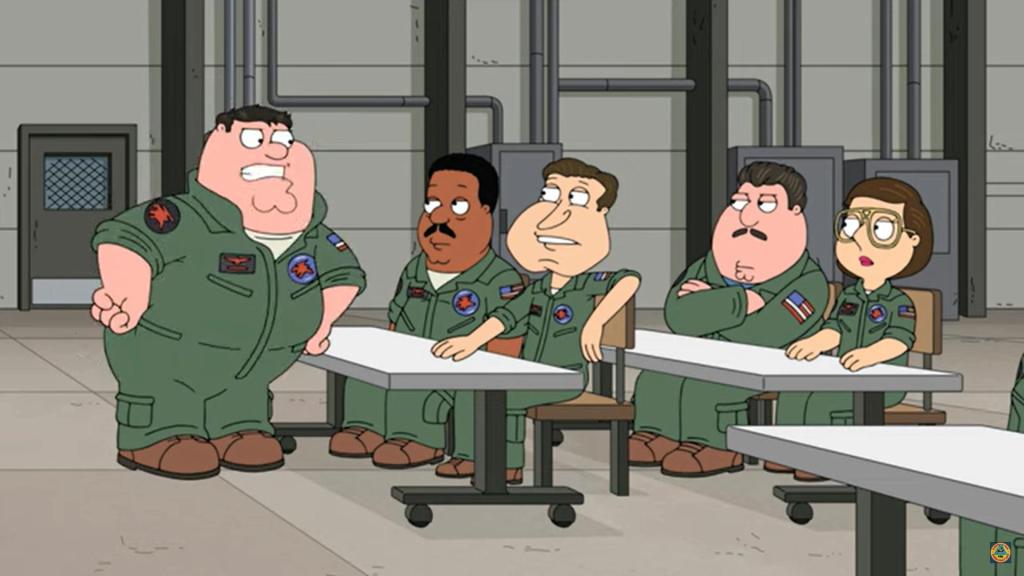
    Being a pilot as a family guy is tough

    Recurrency and Checks

    Training never really stops. Even after line training is complete, pilots must undergo regular checks:

    • Line Checks (annually)
    • Base Checks (every two years)
    • Simulator Checks, as required

    Failure in any of these can result in grounding or even termination. The pressure to perform is constant.

    External Factors

    Yes, the salary can be attractive. But aviation is not immune to external risks.

    A pilot’s livelihood hinges on medical fitness. A failed annual medical could mean being grounded indefinitely. Illnesses, even minor ones, are taken seriously in aviation. Mental and physical health are monitored continuously.

    For Non Cadets

    If you’re not in a cadet programme and wish to pursue your licence privately, the road is tougher.

    • Training costs can exceed SGD $200,000.
    • No job guarantee at the end of it.
    • Airlines rarely hire fresh Commercial Pilot Licence (CPL) holders with only 200 hours.
    • Outside Singapore, most airlines require a frozen ATPL and 1500 hours just to be considered.

    This path demands not just money and skill, but also grit, networking, and a fair bit of luck.

    Final Thoughts

    So the next time you see a pilot walking through the airport in a crisp uniform, don’t just see the prestige—see the journey.

    See the sacrifices made, the family time missed, the long hours of study, the pressure of every flight, and the constant checks that never stop. Behind the uniform is someone who’s earned their stripes, through discipline, resilience, and relentless effort.

    Being a pilot isn’t just a job. It’s a commitment to safety and excellence And for those who choose it, it’s not about glamour. It’s about passion.